Food manufacturing is not simple anymore. It hasn’t been for a long time, honestly.
Customers expect consistency. Regulators expect documentation. Retailers expect traceability. And manufacturers? They’re stuck trying to manage production schedules, batch records, inventory, compliance checks, reporting, and quality inspections all at once. Sometimes, using spreadsheets that should’ve been retired years ago.
That’s exactly why more companies are investing in food process manufacturing software. Not because it sounds modern or trendy. Because food plants can’t afford mistakes anymore.
One bad batch can create recalls, production downtime, wasted ingredients, failed audits, or worse, damaged customer trust. And once that trust disappears, getting it back is hard.
Software alone won’t magically fix a broken process. But the right system absolutely helps manufacturers control quality better, reduce human errors, and actually see what’s happening across operations in real time.
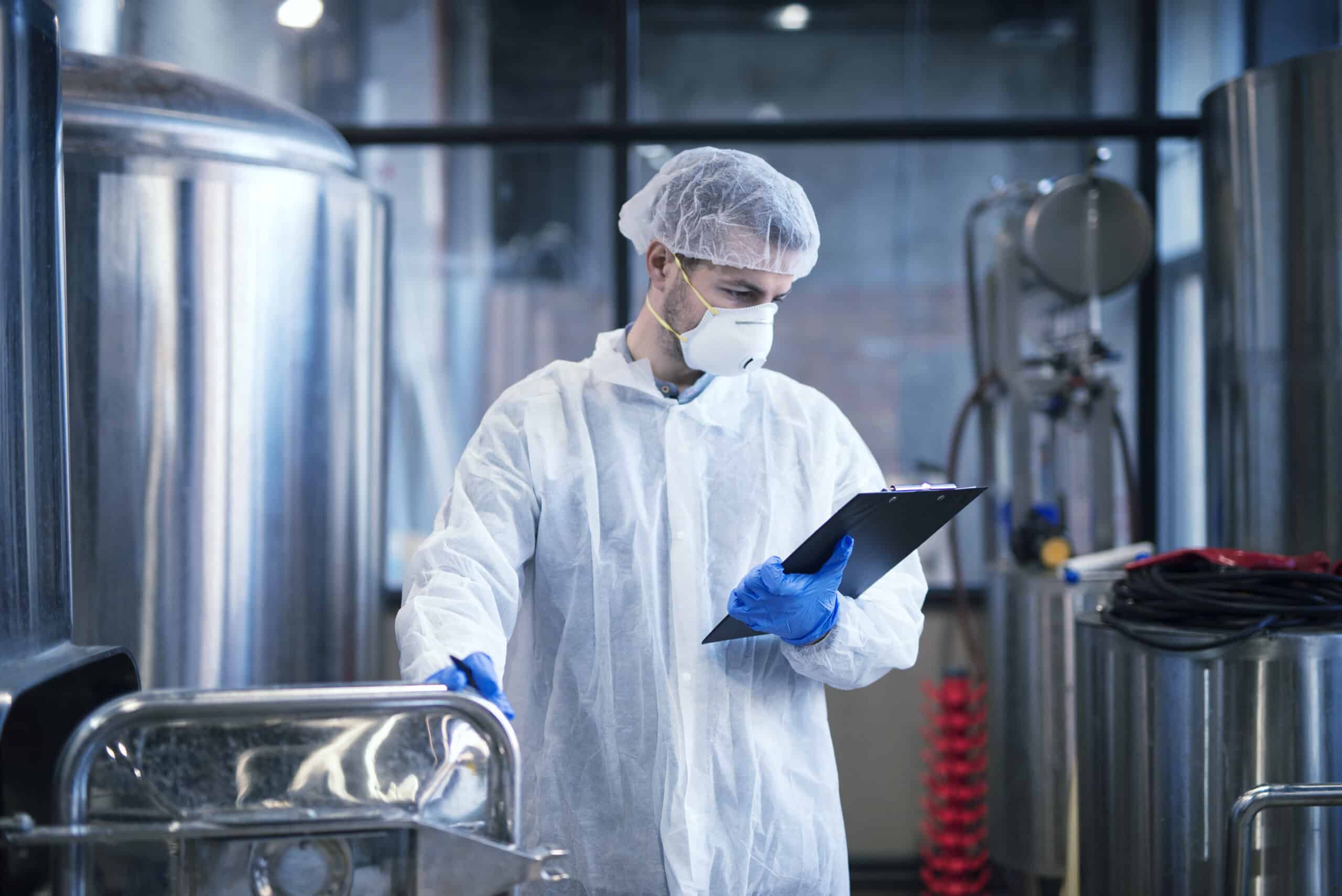
Why Quality Control Has Become Harder in Food Manufacturing
Food production used to be more straightforward. Smaller operations. Fewer regulations. Less pressure from supply chains.
Now? Things move fast.
Manufacturers deal with:
- Strict GMP requirements
- Batch tracking demands
- Increasing customer safety expectations
- Multiple production lines
- Ingredient variability
- Audit pressure
- Real-time reporting needs
- Short production windows
And let’s be real, manual tracking creates problems.
A missed temperature reading. An incomplete batch record. Incorrect ingredient measurements. Delayed reporting. Tiny mistakes turn into expensive issues surprisingly fast.
This is where automation and process visibility matter.
Modern manufacturing systems don’t just collect data. They help teams react before quality issues become disasters.
How Food Process Manufacturing Software Improves Quality Control
The biggest benefit is consistency.
Machines, operators, recipes, production schedules, everything becomes more standardized when software controls and monitors processes properly.
Instead of relying on memory or paper logs, manufacturers work with structured systems that track production step-by-step.
That changes a lot.
Better Batch Tracking and Traceability
Traceability is huge in food manufacturing now. If something goes wrong, companies need answers immediately.
Where did the ingredient come from?
Which production line used it?
What batch was affected?
Which customers received it?
Without proper systems, finding those answers can take hours. Sometimes days.
With manufacturing software, batch records are organized automatically and are easier to retrieve during audits or recalls.
That speed matters.
Especially when regulators are involved.
Real-Time Monitoring Reduces Human Error
Humans make mistakes. Even experienced operators do.
Sometimes someone skips documentation because production is running behind. Sometimes values are entered incorrectly. Sometimes information gets lost completely.
Software helps reduce that chaos.
Real-time monitoring systems track production conditions continuously:
- Temperature
- Pressure
- Mixing times
- Ingredient quantities
- Equipment performance
- Downtime events
Instead of waiting until the end of production to discover problems, operators can catch issues while production is still running.
That alone can prevent enormous waste.
Standardized Processes Create More Consistent Products
Customers notice inconsistency fast.
If one batch tastes different from another, looks different, or has texture problems, complaints start showing up quickly.
Food manufacturers need repeatability.
That’s why many companies use structured batch control systems and MES platforms to maintain production consistency across facilities and shifts.
EZSoft focuses heavily on process control systems, MES integration, SCADA, batch control, and reporting services for industries where consistency and compliance matter every single day.
Our approach is built around standardized development methodologies and automation systems that simplify long-term support while reducing production risks.
And honestly, that structure matters more than people realize.
Improve Process Visibility With EZSoft
Food manufacturers can’t rely on disconnected systems anymore.
EZSoft helps manufacturers improve process control, batch management, reporting, validation, and automation through integrated manufacturing systems designed for regulated industries.
From MES implementation to SCADA integration and GMP documentation support, our team works across every level of industrial automation.
Compliance and Documentation Become Easier
Food audits are stressful enough already.
Trying to prepare documentation manually makes it worse.
Manufacturers today must comply with strict standards involving:
- GMP regulations
- Batch documentation
- Validation procedures
- Electronic records
- Reporting accuracy
- Process verification
This is where software becomes less of a convenience and more of a necessity.
Automated systems create cleaner documentation trails and reduce missing records. Teams spend less time hunting down paperwork and more time actually managing production quality.
EZSoft also supports industries requiring strict validation and compliance standards through services connected to GMP documentation, lifecycle documentation, GAMP5 guidelines, and 21CFR11 requirements.
That’s especially important for manufacturers operating across regulated food and pharmaceutical environments.
The Connection Between Food Manufacturing and Life Sciences
Food manufacturing and pharmaceutical manufacturing are becoming more connected than many people realize.
Both industries care about:
- Validation
- Traceability
- Data integrity
- Batch accuracy
- Compliance
- Controlled processes
That overlap is one reason why expertise in life sciences software development often translates well into advanced food manufacturing systems.
The standards are high in both industries. There’s very little room for error.
Companies with experience in regulated automation environments usually understand how to build systems that prioritize accuracy, accountability, and long-term operational reliability.
And frankly, food manufacturers need more of that mindset now.
Data Reporting Helps Manufacturers Make Smarter Decisions
One thing manufacturers struggle with constantly is visibility.
Production data exists everywhere, but it’s scattered.
Different systems.
Different spreadsheets.
Different departments.
That creates delays and confusion.
Modern manufacturing software centralizes reporting so teams can track performance more clearly.
That includes:
- Production efficiency
- Downtime trends
- Equipment performance
- Quality deviations
- OEE tracking
- Batch performance
When managers actually see accurate production data in real time, decision-making improves.
Not overnight, maybe, but steadily.
And over time, those small improvements compound into major operational gains.
Software Helps Reduce Waste and Production Costs
Food waste is expensive. Very expensive.
Bad batches, incorrect measurements, over-processing, downtime, rejected products — it adds up fast.
Software improves process precision, which helps reduce unnecessary waste.
Even small process improvements can save manufacturers significant money over a year.
Things like:
- Better ingredient tracking
- Reduced rework
- Fewer quality failures
- Improved scheduling
- Faster issue detection
- More accurate recipes
None of this sounds flashy. But operational efficiency rarely is.
It’s usually a collection of small process improvements working together consistently.
Integration Matters More Than Fancy Features
A lot of software vendors overload systems with features companies barely use.
What manufacturers actually need is integration.
Production systems should communicate properly between:
- PLC controls
- HMI/SCADA systems
- MES platforms
- Reporting systems
- ERP software
- Data acquisition systems
Disconnected systems create blind spots.
Integrated systems create visibility.
That’s one area where EZSoft’s structured automation approach stands out. Our ControlBuilder® methodology helps standardize development while simplifying integration between SCADA and control layers.
That reduces complexity long term, which honestly saves manufacturers headaches later.
Why Food Manufacturers Are Moving Toward Smarter Automation
The industry is changing whether companies are ready or not.
- Labor shortages continue.
- Compliance pressure keeps increasing.
- Customers expect transparency.
- Production demands are rising.
Manual systems simply don’t scale well anymore.
Manufacturers that continue relying entirely on outdated processes will eventually struggle with efficiency, quality consistency, and regulatory expectations.
That doesn’t mean every facility needs massive digital transformation tomorrow.
But investing in smarter manufacturing infrastructure now makes future growth much easier.
And quality control sits at the center of that shift.
Final Thoughts
So, can food process manufacturing software improve quality control in the food industry?
Yes. Absolutely.
Not because software replaces people. It doesn’t.
It improves visibility. Standardizes operations. Reduces avoidable mistakes. Simplifies compliance. Strengthens traceability. Helps teams react faster.
And in food manufacturing, faster and more accurate decisions matter a lot.
Currently, the manufacturers who achieve optimal outcomes use advanced automation systems that they operate with skilled workers, and they maintain organized operational procedures.
The balance achieves essential importance for the situation.
Your facility needs a new approach to production data management because it currently faces challenges with its unconnected systems, its need for manual records, its lack of consistent reporting, and its difficulty with audits.
EZSoft offers process control systems and MES solutions, reporting services, validation support, and automation integration for companies operating in regulated manufacturing fields, which include food and beverage products and life sciences.
The process of quality control improvement requires organizations to enhance their process visibility abilities. The statement presents an uncomplicated fact.
FAQs
How does food process manufacturing software improve quality control?
The software for food process manufacturing helps manufacturers control product quality by enabling them to monitor their production activities at all times, execute standardized batch procedures, and eliminate manual processing mistakes. The system enhances both traceability and reporting precision and compliance documentation. Proper system connections enable production teams to quickly identify operational problems, which helps prevent major quality issues and expensive product recalls.
What role does traceability play in the food manufacturing industry?
Traceability enables manufacturers to monitor their ingredients, production batches, and finished goods throughout the entire supply chain. If contamination or quality issues happen, companies can quickly identify affected batches and respond faster. Traceability systems without proper abilities result in slower, riskier, and more expensive recalls. Both regulators and customers now demand precise tracking information.
Can manufacturing software reduce food production waste?
The proper implementation of the system leads to substantial waste reduction. The software system enhances production line accuracy through better ingredient tracking, process control, and equipment status monitoring. Manufacturers can identify operational weaknesses at an earlier stage, which helps them to prevent unnecessary product restarts and waste disposal operations. The production process gains substantial financial benefits because even tiny waste reductions multiply their impact throughout high-volume manufacturing operations.
What role does automation play in food manufacturing quality control?
The use of automation technology enables manufacturers to achieve constant production conditions while decreasing their dependency on human observation and physical documentation. The system performs continuous monitoring of temperature conditions, batch timings, ingredient consumption, and equipment operation. The system provides that level of control, which helps maintain product quality and simplifies the process of meeting compliance standards during testing and auditing.
How does life sciences software development experience benefit food manufacturers?
Experience in life sciences software development helps because both industries require strict compliance, validation, and process accuracy. Companies familiar with regulated automation environments understand how to build reliable systems with strong documentation and traceability. That expertise translates well into modern food manufacturing operations where quality standards continue getting stricter.