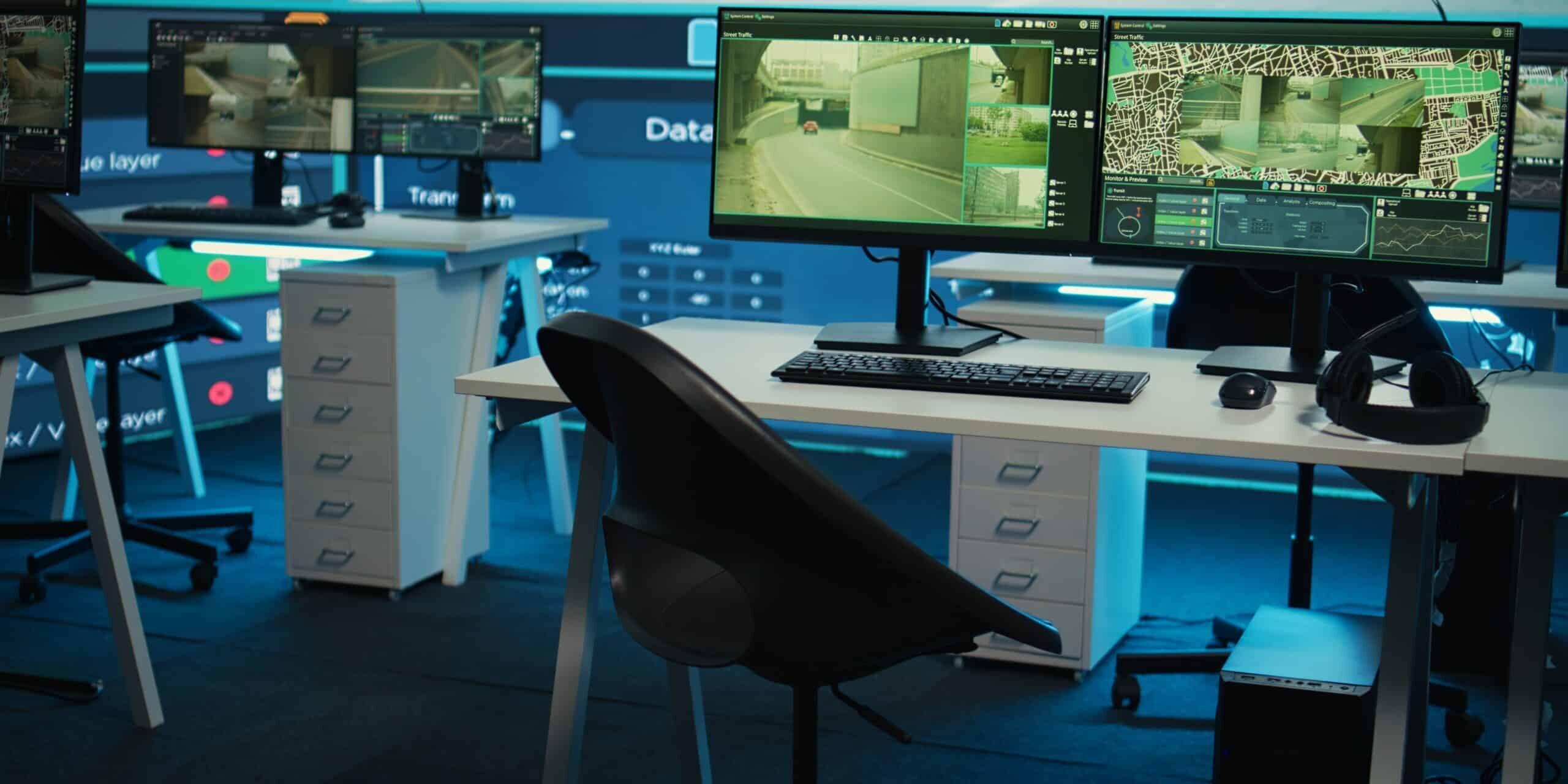
Most manufacturing problems don’t start big. They start small. A pressure spike here. A temperature drift there. Something gets ignored… and then suddenly it’s not small anymore.
That’s exactly where a SCADA process monitoring system earns its place.
It doesn’t just “monitor.” It watches everything, all the time, without blinking. And more importantly, it tells you when something’s off before it turns into downtime, safety incidents, or worse. And when you combine that with strong system integration, like what EZSoft does, the difference is pretty noticeable.
What a SCADA Process Monitoring System Actually Does
At its core, SCADA (Supervisory Control and Data Acquisition) is about visibility.
Not partial visibility. Full visibility.
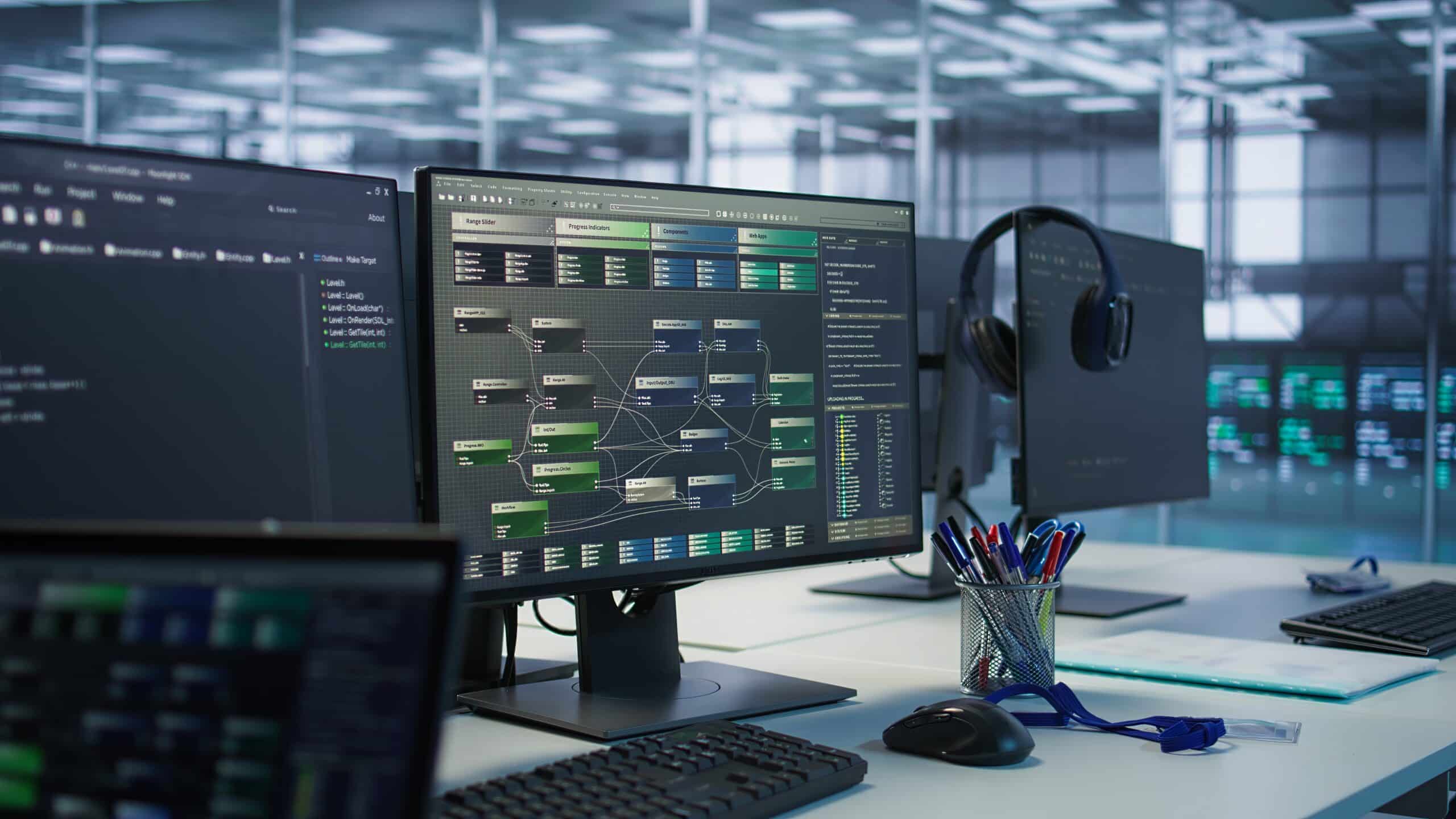
It connects your machines, sensors, PLCs, and control systems into one central interface. Operators don’t have to guess what’s happening on the floor; they can see it.
Think of it like this:
- Tank levels are updating in real time
- Pressure readings are constantly tracked
- Alarms are triggered instantly when limits are crossed
- Historical data logged automatically
It’s not fancy for the sake of being fancy. It’s practical. It keeps operations from running blind.
Why Safety Improves
Most safety issues happen because something wasn’t noticed in time.
A SCADA process monitoring system removes that delay.
1. Real-Time Alerts That Actually Matter
Instead of relying on manual checks, SCADA systems trigger alarms the second something crosses a limit.
Not five minutes later. Not after someone notices.
Immediately.
That could be:
- Overheating equipment
- Pressure exceeding safe thresholds
- Flow rate dropping unexpectedly
And here’s the key: operators don’t need to search for problems anymore. The system brings the problem to them.
2. Reduced Human Error (Because People Miss Things)
Humans get tired. Distracted. Busy.
SCADA doesn’t.
It continuously monitors thousands of data points without losing focus. That alone cuts down a huge chunk of operational risk.
And when paired with properly configured automation, it can even trigger responses automatically, like shutting down a system before damage occurs.
3. Better Decision-Making Under Pressure
When something goes wrong, decisions need to be fast.
But speed without information? That’s just guessing.
SCADA gives operators context:
- What failed
- When it failed
- What changed before the failure?
That kind of clarity reduces panic-driven decisions. And honestly, that’s where a lot of costly mistakes usually happen.
Where MES Software Fits Into the Picture
This is where things get more interesting. A SCADA process monitoring system tells you what’s happening right now. But manufacturing execution system software tells you what it means for your production.
If SCADA is the eyes, MES is the brain.
Together, they create a more complete system:
- SCADA detects a deviation
- MES evaluates the impact on the production batch
- Operators respond with full awareness
Without MES, you might fix the issue.
Risk Management Becomes Proactive
A lot of facilities still operate in reactive mode.
Something breaks → fix it → move on.
That’s expensive. And honestly, avoidable.
With SCADA systems collecting historical data, patterns start to show:
- Equipment that fails every few months
- Temperature fluctuations before breakdowns
- Load conditions that push systems too far
Once you see those patterns, you can act earlier.
This is where companies start to optimize manufacturing processes instead of just maintaining them.
Compliance and Documentation
If you’re in regulated industries like life sciences, food, or chemicals, you already know documentation isn’t optional.
It’s constant.
SCADA systems help by automatically recording:
- Process values
- Alarm history
- Operator actions
- System changes
And when integrated properly (which is where EZSoft, Inc. stands out), this data aligns with:
- GMP requirements
- GAMP5 guidelines
- 21 CFR Part 11 compliance
Instead of scrambling during audits, you already have the records.
Integration Is Where Most Systems Fail (or Succeed)
Here’s something people don’t always talk about: buying software isn’t the hard part. Making everything work together is.
A SCADA system alone won’t fix safety issues if:
- PLC logic is inconsistent
- MES isn’t aligned
- Reporting is disconnected
That’s why full-system integration matters.
EZSoft, Inc. approaches this differently. We don’t just drop in software; we design the entire ecosystem:
- PLC & control systems
- HMI/SCADA interfaces
- MES integration
- Data reporting layers
Plus, the ControlBuilder® methodology keeps everything structured. Which, in real life, just means fewer surprises later.
Real-World Impact
This isn’t theoretical stuff.
In real facilities:
- Food plants avoid contamination risks
- Pharma companies maintain batch integrity
- Chemical plants prevent hazardous incidents
- Metal manufacturers reduce equipment damage
And the common thread?
They all rely on consistent, real-time monitoring.
Why Companies End Up Choosing EZSoft, Inc.
There are a lot of system integrators out there. Not all of them deliver the same results.
What makes EZSoft Inc. different is experience across all levels of automation:
- Hardware and panel design
- PLC programming
- SCADA systems
- MES implementation
- Data acquisition and reporting
They also work with reliable technology partners like Wonderware and ThinManager, which helps ensure systems aren’t just functional but stable long-term.
And honestly, that matters more than flashy features.
Final Thought
A SCADA process monitoring system isn’t just about watching your process. It’s about staying ahead of problems before they become expensive, dangerous, or both. When done right, integrated properly, aligned with MES, and backed by real expertise, it shifts your operation from reactive to controlled. And that’s where safety and risk management actually improve. Not in theory. In day-to-day operations.
FAQs
1. How does a SCADA process monitoring system improve safety in manufacturing?
A SCADA process monitoring system enhances the state of safety as it offers real-time information on the state of equipment and processes. It identifies uncharacteristic conduct immediately and sends alarms or automatic reactions. This minimizes the possibility of undetected failures, which helps operators to respond promptly and avoid accidents or damage to the system.
2. What is the contribution of manufacturing execution system software and SCADA?
Execution system software Manufacturing execution system software interacts with SCADA to provide context of production to real-time data. Whereas SCADA is used to monitor equipment, MES is used to monitor batches, workflows, and performance. In combination, they enable teams to know not only what is going on but also how this affects production results and quality.
3. Do SCADA systems mitigate operational risks in the long run?
Yes, SCADA systems do store historical data that aids in determining the recurring problems and the performance patterns. In the long run, this enables teams to anticipate failures and correct root causes to prevent breakdowns. It moves towards a non-reactive maintenance and risk management process.
4. What is the significance of system integration to SCADA efficiency?
SCADA systems are based on adequate integration with PLCs, MES, and reporting tools. In the absence of integration, data may be disjointed or deceptive. The integrated system means the availability of correct monitoring, enhanced automation, and enhanced communication flow among all parts of the manufacturing environment.
5. Why would the companies select EZSoft, Inc. in SCADA and MES solutions?
The reason behind the choice of EZSoft, Inc. is its comprehensive process control system approach. We do it all, designing, validating, and making sure that the systems are compliant, scalable, and reliable. The risks are minimized and the system performance enhanced in the long term by our systematic approach and substantial experience in the industry.