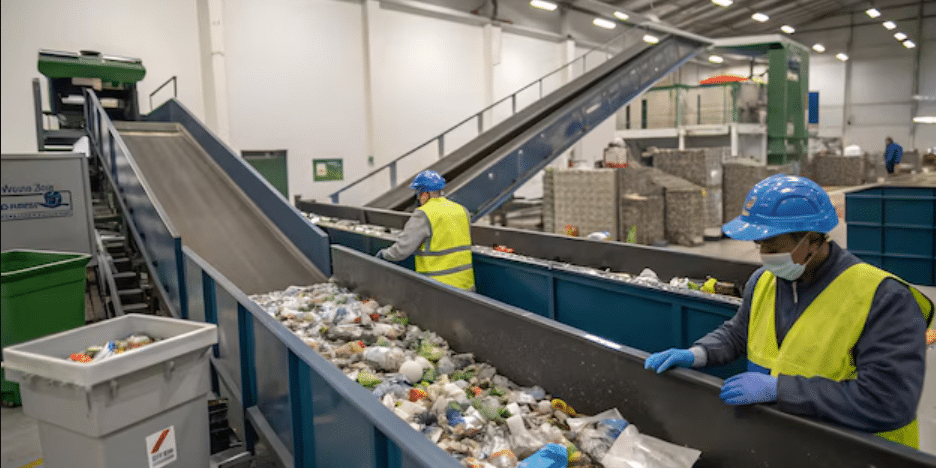
Food production moves quickly. Raw ingredients come in every day, products are produced, and orders ship out the door. But here’s the thing: if you’re not monitoring what you have and where it’s headed, waste builds up. And waste in the food business is not only a loss of money. It’s lost time, tainted customer trust, and in some instances, trouble with the law.
That’s where food manufacturing inventory software comes in. It’s like having a sleepless assistant who watches over every bag of flour, every package box, and every batch of completed goods. When done correctly, it’s one of the brightest things a food production company can do.
Why Waste Occurs in Food Manufacturing
Before we discuss solutions, let’s get a handle on the issue. Waste during food production can originate from numerous sources:
- Overproduction – Producing more than you can sell before it spoils.
- Spoilage – Ingredients spoiling prior to use.
- Inefficient storage – Disorganization resulting in misplaced or lost items.
- Human error – Counting wrong on inventory or confusing production orders.
- Process delays – Ingredients spending too much time between processes, compromising quality.
The issue is, it’s easy to miss these kinds of issues in a high-volume production setting until it’s too late. And once waste occurs, forget about getting the money back.

How Inventory Software Plays to Win
Inventory software doesn’t simply account for what’s on the shelf. It links the dots between purchasing, production, and sales so that you can see at all times what’s going on.
Here’s how it attacks waste directly:
1. Real-Time Ingredient Tracking
Instead of relying on outdated spreadsheets or manual notebook bill-tracking, inventory software gives you live data. When an ingredient comes in, it gets tracked. When it’s consumed to make a product, the system auto-updates.
No more guessing on whether you have enough sugar to make tomorrow’s batch or forgetting a pallet of dairy until it goes bad.
2. Better Buying Choices
With current data, you can order just the right quantity, without excess or shortage. If the system determines that certain items go through quickly, then you will be reminded before running out. If that something is taking too long to move out of storage, you can trim back on future orders.
This equilibrium keeps you stocked without overpurchasing.
3. Batch and Expiry Date Management
One of the most frequent reasons for waste is products or ingredients that go bad before use. Good food manufacturing inventory software labels each item with its batch number and use-by date, then notifies you when something is getting close to going bad.
Rather than discarding hundreds of dollars of materials, you can modify production to burn them up first.
4. Minimization of Human Error
In a high-velocity food production plant, errors do occur. Perhaps a staff member forgets to record usage or misplaces a pallet. With automated tracking, those loopholes are eradicated.
Certain systems even connect with barcode scanners or RFID tags, which makes it virtually impossible to lose inventory.
5. Improved Production Planning
Inventory software is not just what you already have, but what you have to come up with. When combined with your foods and production schedules, the system can tell precisely what ingredient quantities you will need in future batches.
This helps avoid the cases when you may simply finish some item in the production requiring either replenishment at an exorbitant price or replacement with something similar.
Linking to the Larger Picture: Food Process Manufacturing
While inventory software focuses on materials, it’s even more powerful when combined with food process manufacturing software. This type of system ties inventory data into your actual production process.
That means your scheduling, quality control, and compliance tracking all work hand-in-hand with your ingredient management. In short, you’re not just reducing waste, you’re improving your entire operation.
Practical Ways to Cut Waste with Inventory Software
Here are some real-world tactics food producers are using with these systems:
- FIFO (First In, First Out): Automatically prioritize older stock for use before newer batches.
- Ordering Just in Time: Order the ingredients to come when the production is about to begin, and storage is minimal.
- Portion Control: Keep a tally of just how much of each food item goes in each recipe, not to over-pour or over-measure.
- Spoilage Reports: Look at monthly data to see which ingredients are wasted the most, and change purchases accordingly.
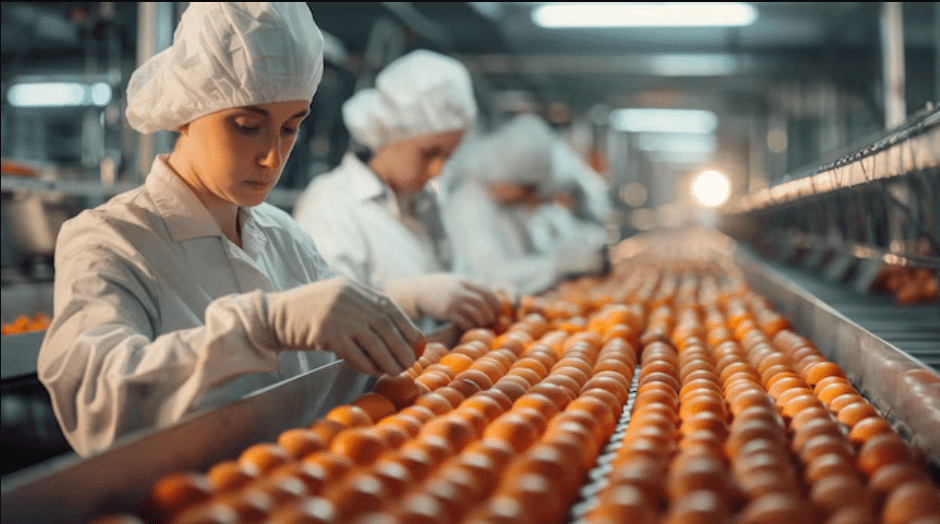
EZSoft: Enabling Food Producers to Remain Lean and Profitable
At EZSoft, we recognize that waste reduction is not simply a cost-saving initiative, but rather a way to create a more intelligent, more sustainable food production company. We offer tailored automation and control systems, including packaged inventory tools, that provide you with total visibility of your raw materials and finished products.
Our solutions keep you compliant, eliminate unnecessary expense, and make sure your operation is humming smoothly from receipt to shipment. Whatever your size, from a large-scale operation to a modest production facility, we can customize a solution for you.
Why This Matters More Than Ever?
Food prices are on the up. Supply chains are volatile. Consumers demand fresh, high-quality goods each and every time. That implies you can’t afford to have waste nibbling into your bottom line.
Using the proper software, whether it’s food manufacturing inventory software for tracking ingredients or integrated food process manufacturing software for total end-to-end management, you’re putting your company in a position to be lean, responsive, and competitive.
Conclusion
Inventory software is not a nice-to-have for food manufacturing. It’s a must-have to minimize waste, save money, and remain competitive in the current market. With real-time tracking, expiry notification, and intelligent purchasing, you can stock your shelves optimally without overstocking.
And when combined with food process manufacturing software, it’s part of a bigger system that optimizes production speed, quality, and profitability.
The bottom line? The less wastage you do, the more you reap, not only in terms of profit, but also in customer confidence and business expansion.
FAQs
- How does inventory software minimize wastage in food production?
Inventory software tracks ingredients in real-time, handles expiry dates, and predicts buying requirements. Proper records prevent over-purchase and help utilize older stock before fresher lots, minimizing wastage and spoilage.
- Can inventory software be used to track ingredient expiry dates?
Yes. The vast majority of systems have expiry and batch number tracking included. They remind you when ingredients are approaching their use-by date so that you can schedule production to utilize them first and prevent expensive waste.
- Is inventory software worthwhile for small food producers?
Absolutely. Small producers can lose tens of thousands in profit to waste. An inexpensive, customized system can save small businesses money, increase efficiency, and make wiser purchasing decisions.