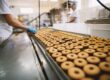
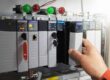
Our methods of producing, manufacturing, and distributing food have been transformed significantly over the past ten years. With technology and data being the main movers, it is turning into a smart and tightly connected process at every level, starting from farms that are equipped with sensors to factories that are fully automated. In this blog, we’ll talk about how technology and data are shaping modern food system integration solutions, what that actually means for food companies, and why it’s not just about efficiency, but survival in a fast-moving world.
The Food Industry’s Big Shift
Consider the food production 20 years back. Manual labor dominated the entire process, and the origin of the ingredients could hardly be traced. The situation is quite opposite now, data rules the roost. The whole chain is equipped with technology, and they are all communicating with each other.
This is the essence of food system integration solutions. They combine equipment, software, and data into one interconnected system that operates efficiently like a well-oiled machine. There is no more guessing where the errors occurred or waiting for reports for several days. Integrated food companies are able to monitor everything in real-time, from the sourcing of ingredients to the packaging and shipping.
Data: The New Recipe for Success
Let’s be honest, data isn’t very exciting. But it’s powerful. For food manufacturers, data is the difference between profit and loss.
Here’s how it helps:
- Real-time control: Sensors track temperature, humidity, and ingredient ratios within seconds.
- Consistency: Integrated systems ensure every batch meets the same standards, every time.
- Traceability: You can trace every ingredient back to its source instantly, reducing risks during recalls.
With data-backed systems, quality control isn’t just a one-time check; it’s an ongoing, smart process that keeps your brand reliable.
The Power of Automation and Smart Machines
Automation is not a method of substituting human workers; rather, it is a way of simplifying and enhancing their work. Intelligent machines are able to combine, batch, and package products at a speed and with an accuracy that has never been achieved before.
But the real magic happens when machines start “talking” to each other.
- A mixing machine alerts the packaging line that it’s almost done.
- The label printer adjusts automatically for the next product batch.
- Production schedules update themselves without human input.
That’s the beauty of integration: everything runs smoother, with fewer breakdowns and less waste.
Software: The Invisible Backbone
Behind every modern food operation lies a software integration tool, the quiet hero that keeps everything connected.
Without it, your production line might be efficient, but your data would be scattered. With it, everything syncs up beautifully. It bridges the gap between machines, operators, and management systems like ERP or MES.
A software integration tool can:
- Automatically log production data in real time.
- Sync batch reports, inventory, and quality metrics instantly.
- Eliminate manual data entry (and the errors that come with it).
It’s like having a digital nerve system that connects every part of your operation.
Real-World Impact: Efficiency and Sustainability
Besides being fast, it warrants more intelligence, greener living, and a myriad of technological options for a smarter living.
When systems communicate seamlessly:
- Waste goes down: You use exactly what you need, when you need it.
- Energy use drops: Machines only run when they should.
- Compliance improves: Every step is logged and traceable for audits.
Modern food system integration solutions make it easy for companies to balance efficiency with sustainability. You save resources, cut costs, and stay compliant, all while maintaining top-notch quality.
How EZSoft Is Leading the Change
At EZSoft, we’ve been helping food and beverage companies transform their production systems for years. Our automation platforms like ControlSuite™ and ProductionSuite™ bring every part of manufacturing together.
Here’s what we do best:
- Integrate control systems from PLCs to enterprise software.
- Simplify batch control and recipe management.
- Deliver real-time reporting and traceability.
EZSoft helps food manufacturers go beyond traditional automation. We build connected ecosystems that make data flow effortlessly from the shop floor to the top floor.
So if your plant still runs on spreadsheets or guesswork, it might be time to see what smart integration can really do, with EZSoft guiding the process.
The Future Is Data-Driven
Technology and data are not merely tools anymore but rather the core elements of every thriving food business. It is the data that is collected and connected through systems that will determine the winner in terms of competition, and this will be from predictive maintenance to smart recipe management.
And with a suitable software integration tool, all that complexity is transformed into simplicity. Instead of managing separate systems, you obtain a transparent, integrated view of your complete procedure. That is the way contemporary food businesses remain competitive, productive, and equipped for the future.
FAQs
1. What are food system integration solutions?
By linking different machines, processes, and software in a food manufacturing setup, they create a unified, data-driven production environment.
2. How does a software integration tool help food manufacturers?
It automates data flow, reduces manual input, and links production systems to management platforms for smarter decision-making.
3. Can small food producers benefit from integration?
Absolutely. Even small operations gain from better traceability, faster reports, and fewer production hiccups.
4. Why is data absolutely necessary in the food manufacturing industry?
Data contributes a lot to the monitoring of quality, the tracing of ingredients, the reduction of waste, and the observation of safety standards, all of which can be done in real time.
5. In what ways is EZSoft a help to food companies?
EZSoft delivers automation and integration software that links production lines, handles recipes, tracks inventory, and maintains quality and compliance.